Introduction
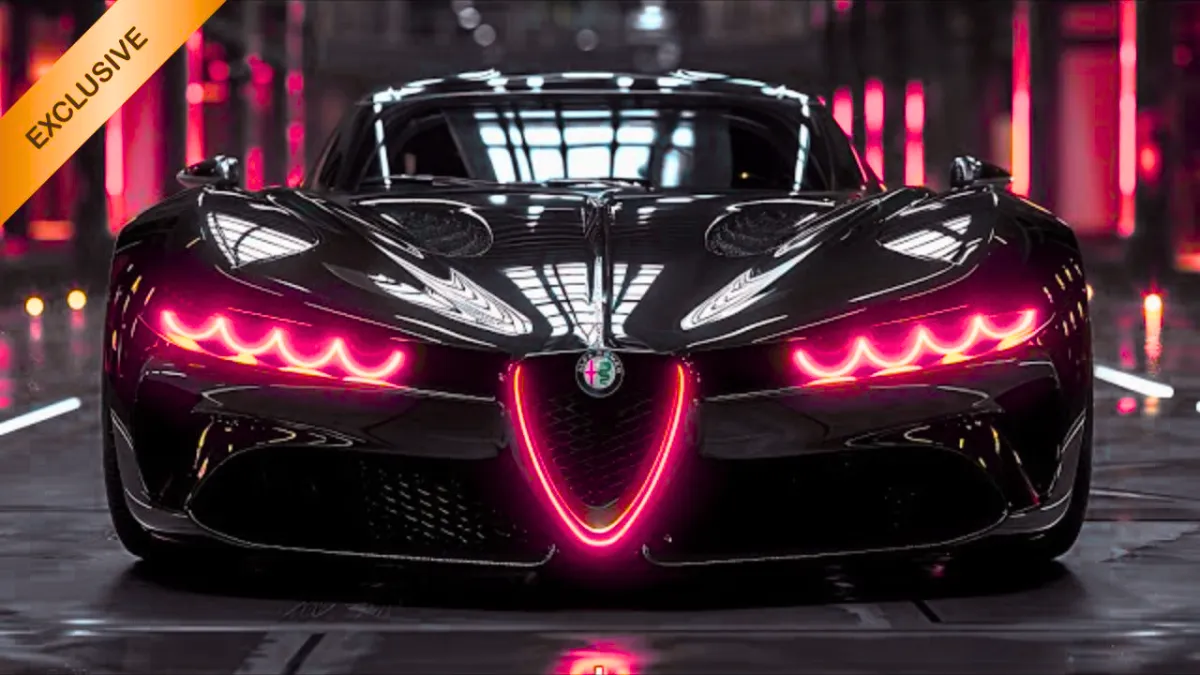
The 2026 Alfa Romeo Giulia returns to the sports‑sedan arena with a decisive redesign that blends classic Italian flair with cutting‑edge engineering. While the nameplate stays true to its racing heritage, the new Giulia is more than a visual overhaul; it introduces refined aerodynamics, lighter construction, and a broadened powertrain lineup that promises excitement for both daily commuters and track enthusiasts.
Exterior Design
At first glance the 2026 Giulia looks noticeably sharper. The front fascia features a slimmer, more angular grille flanked by sleek LED headlights that taper toward the corners, creating a sense of motion even when the car is standing still. Wider fenders accommodate larger wheels and give the sedan a planted stance, while the sculpted side panels and a subtly tapered roofline reduce drag and improve fuel efficiency. The rear end follows the same aggressive language, with a reshaped bumper, a pronounced diffuser, and a pair of compact LED taillights that echo the front’s light signature. Overall, the new silhouette feels athletic yet sophisticated, reinforcing Alfa Romeo’s reputation for marrying beauty with performance.

Powertrain Options
Alfa Romeo equips the 2026 Giulia with two distinct engines. The base model receives a 2.0‑liter turbocharged inline‑four that produces roughly 280 horsepower and a respectable torque curve that favors fuel economy without sacrificing responsiveness. For those craving more raw power, a 3.0‑liter twin‑turbo V6 delivers between 460 and 510 horsepower depending on the trim level, launching the sedan from 0‑100 km/h in just under four seconds in its most extreme configuration. Both engines pair with an eight‑speed automatic gearbox, and buyers can choose either rear‑wheel drive for a classic, sporty feel or an all‑wheel‑drive system that adds confidence in wet or curvy conditions.
Interior and Technology
Inside the cabin, the Giulia adopts a driver‑centric approach. A fully digital instrument cluster presents speed, navigation, and performance data across a crisp, high‑resolution screen, while the central infotainment unit runs the latest Alfa Romeo software, supporting Apple CarPlay, Android Auto, and a suite of over‑the‑air updates. Upholstery options range from fine Nappa leather to Alcantara inserts, each stitched with the brand’s signature red stitching for a touch of heritage. Ambient lighting can be tuned across several hues, and the seats feature multiple adjustments, heating, and optional ventilation. Safety and convenience are bolstered by adaptive cruise control, lane‑keeping assist, blind‑spot monitoring, and a 360‑degree camera system that simplifies parking in tight urban spaces.

Driving Dynamics
The chassis benefits from a revised suspension geometry that combines a double‑wishbone front setup with a multi‑link rear arrangement, delivering a balanced mix of comfort and agility. Adaptive dampers automatically adjust firmness based on driving mode—Comfort, Sport, or Race—allowing the car to glide over rough pavement or bite into corners with razor‑sharp precision. Steering feedback is tuned for directness, offering a communicative feel that encourages driver involvement without being overly harsh. The optional torque‑vectoring differentials on the AWD models further enhance cornering stability, making the Giulia capable of tackling winding mountain roads as effortlessly as it navigates city traffic.
Quick Highlights
- Two engine choices: 2.0 L turbo‑I4 (≈280 hp) and 3.0 L twin‑turbo V6 (≈460‑510 hp)
- 0‑100 km/h in 3.9–5.6 seconds, depending on powertrain and drivetrain
- Rear‑wheel‑drive or all‑wheel‑drive configurations
- Digital cockpit, premium leather, high‑resolution infotainment
- Refined aerodynamics, wider track, adaptive suspension
Frequently Asked Questions
1. Will the 2026 Giulia offer a manual transmission?
Alfa Romeo has decided to focus on the eight‑speed automatic for this generation, citing smoother shift times and better integration with its hybrid‑ready platforms. A manual gearbox is not planned for the 2026 model year.

2. How does the fuel efficiency compare between the two engines?
The 2.0 L turbo I4 typically achieves around 8.5 L/100 km in combined driving, while the V6, depending on tuning, averages roughly 10.2 L/100 km. Real‑world figures will vary based on driving style and selected drivetrain.
3. Are there any hybrid or electrified versions on the horizon?
Alfa Romeo has hinted at a plug‑in hybrid variant for future Giulia generations, but the 2026 lineup remains purely gasoline‑powered.
4. What warranty coverage does Alfa Romeo provide?
In most markets the Giulia comes with a four‑year/50,000‑mile bumper‑to‑bumper warranty, plus a separate powertrain warranty that extends up to five years.
5. Can the rear seats fold down for additional cargo space?
Yes, the rear seats feature a 60/40 split‑fold design, allowing owners to expand the trunk volume when needed without compromising passenger comfort.

Disclaimer
The specifications, performance figures, and pricing mentioned above are based on preliminary information released by Alfa Romeo and automotive industry sources. Details are subject to change prior to the official launch, and actual vehicle attributes may differ from those described here.